
Ezri Konsa
Country: England
Age: 29 (1997)
League: Premier League
Club: Arsenal F.C
Position: Centre-back
Major honours: UEFA Europa League (Aston Villa, 2025–26), FIFA U-20 World Cup (England U20, 2017).
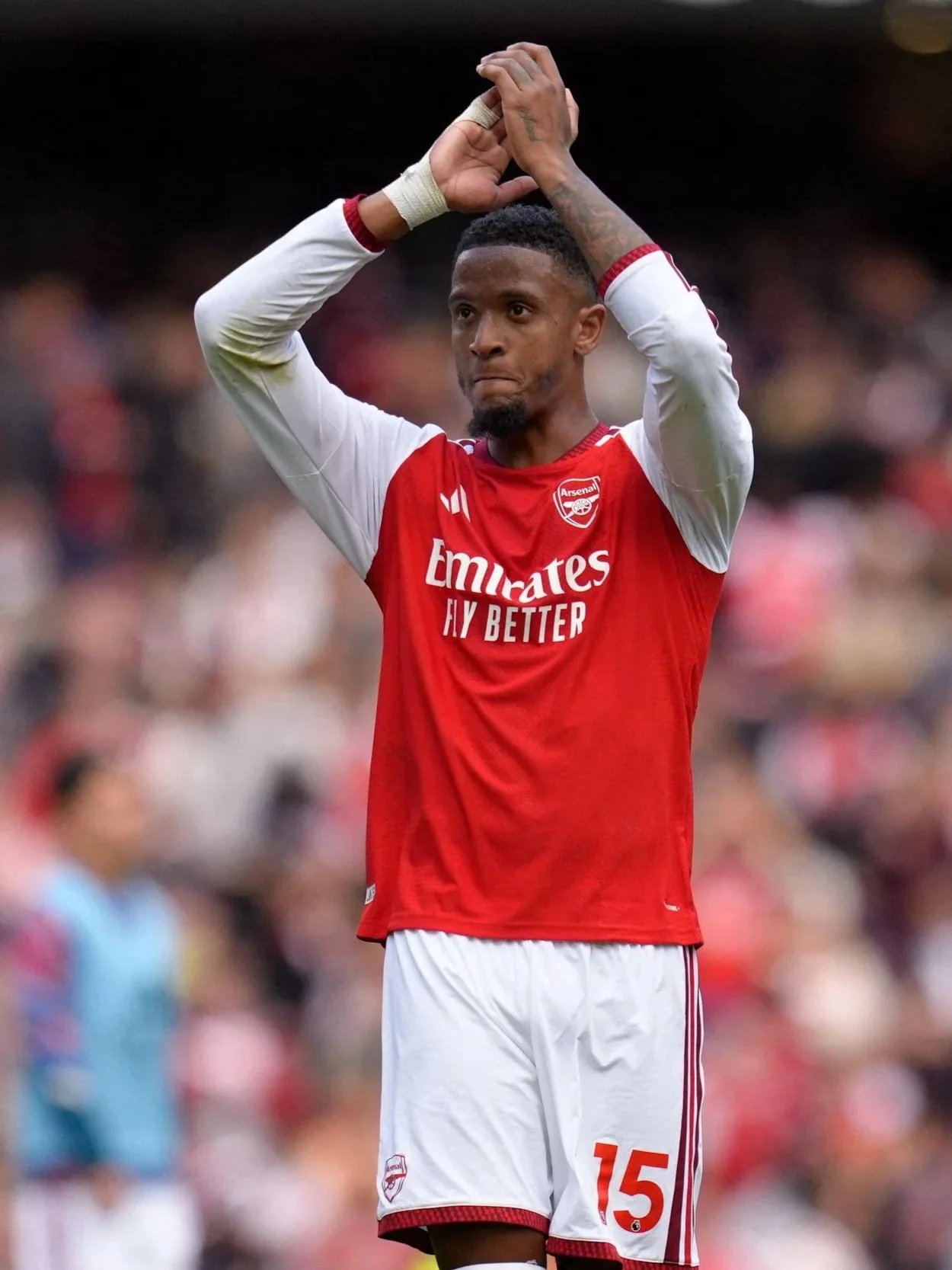
Club History: Charlton Athletic (2016–2018) → Brentford (2018–2019) → Aston Villa (2019–2026) → Arsenal (2026–present).
Tom Major | Alamy
The Wall of Silence: Ezri Konsa’s Unwavering, Mandatory Path to the Summit
In modern football, central defenders are often judged by how spectacularly they initiate attacks or how frequently they feature in highlight reels. Yet, there are players whose value is measured not by flashy goals, but by the quiet, unseen composure they bring to the entire team. Ezri Konsa is precisely the kind of player who has chosen to remain out of the spotlight. Yet, his signature style has become a foundational element in every successful team—a man who quietly dismantles any attack the opposition throws his way.
For a boy growing up on the streets of East London, football was the only true form of freedom. With Congolese and Angolan blood in his veins, he possessed an exceptional level of resilience and dedication. A passionate Arsenal fan in his childhood, he forged his own path through hard work and incredible patience.
"The most remarkable thing about Konsa is how calm he is under pressure. You might not even notice him throughout the entire match, because he handled absolutely every situation flawlessly."
– Gareth Southgate
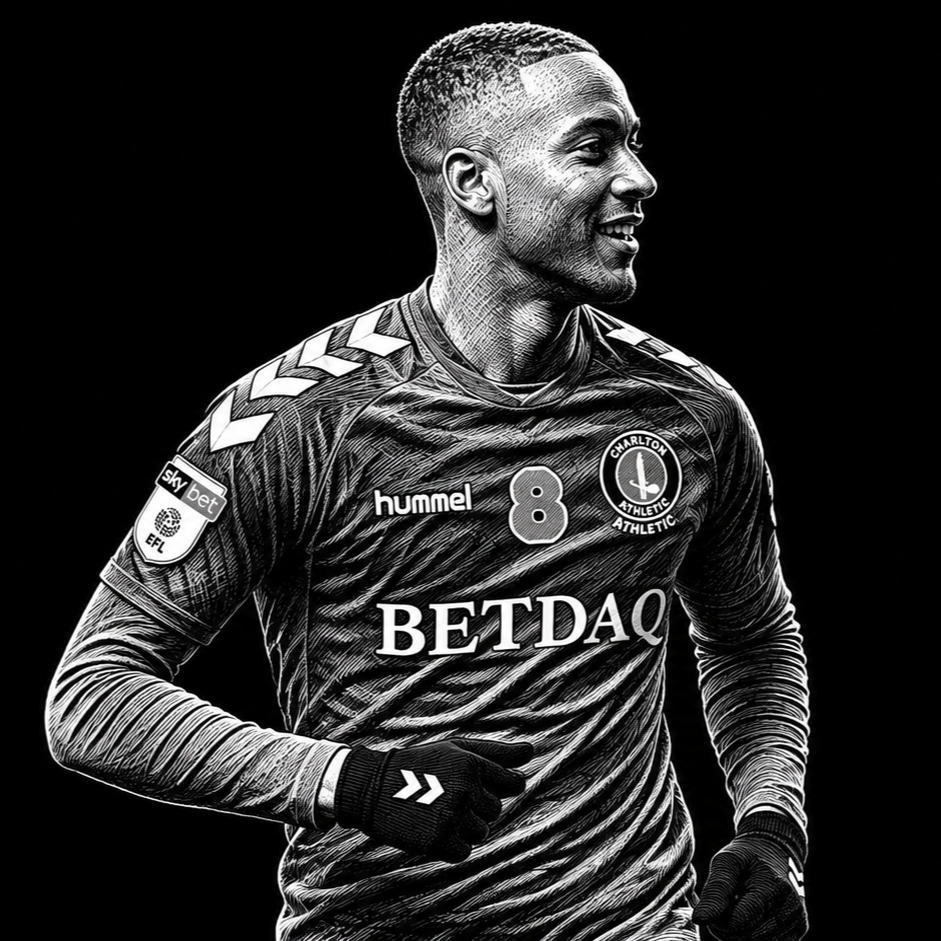
"Little Rio" and the legendary Senrab school
As a child, Ezri trained at the well-known amateur club Senrab FC—the very same iconic spot where, years earlier, John Terry, Jermain Defoe, and Sol Campbell had also come up. From that time on, coaches and club staff nicknamed him "Little Rio." He was given this name because of the incredible composure he displayed on the pitch, his impeccable positional sense, and an aristocratic style reminiscent of Rio Ferdinand.
On the streets of East London, where violence and crime were an everyday occurrence, his older brother played a decisive role in saving Ezri and keeping him on the right path. His brother always stood by his side, shielding him from making the wrong moves and—after matches never shying away from telling him the "bitter truth" about his mistakes. As a constant reminder of this arduous journey and his past, Konsa has the word "Blessed" tattooed on his left arm an expression of his gratitude for where his path began.
While millions of fans enjoy his play, Ezri’s father (who is of Congolese origin) is almost never able to watch his son’s matches. Konsa recalls that his father gets so nervous during matches that, since his move to Aston Villa, he has attended only a handful of games in person; furthermore, when watching on television at home, he has occasionally turned off the screen entirely due to intense anxiety.
Konsa’s family roots are diverse—his father is from Congo, and his mother is from Angola. As a result, Ezri absorbed two distinct cultures and languages from a young age. Today, he is fluent in four languages: English, French, Portuguese, and Lingala (a national language of the Congo). Interestingly, he also put this skill to use on the pitch; when playing in the English league or in European competitions, he would often confuse opponents by speaking French with his teammates—leaving the opposition with no idea what kind of tactical setup the defenders were orchestrating during corner kicks.

Birmingham’s Rise: A New Era for Aston Villa
Joining Aston Villa marked the beginning of a new era for him. Together with the team, he journeyed from the brink of the abyss to the pinnacle of Europe. Under the leadership of Unai Emery, the defense became such an "invisible wall" that even the most expensive forwards would shatter against it.
"Ezri is a coach's dream. He never panics, for him there is no such thing as a lost ball, and he always knows exactly where to position himself when everything around him is falling apart."
– Unai Emery
From the moment he set foot in Birmingham, he demonstrated that he was ready for the pressures of the highest level. In his very first seasons, Konsa was the fundamental figure who transformed Villa Park from a Premier League underdog into an elite team.
The Spanish coach’s tactical vision fully unlocked Ezri’s potential. He forged an ironclad defensive line—a wall against which the forwards of Europe’s top clubs repeatedly came to grief. Playing for the Birmingham-based side, Ezri delivered eye-catching performances on the European stage, culminating in a triumphant Europa League title win in the 2025–26 season.
Ezri Konsa boasts one of the highest percentages of successful tackles and duels won (91%) across Europe’s top leagues. A remarkable aspect of his style is that he almost never has to make a last-ditch challenge; he calculates his positioning so precisely that he dispossesses his opponent well in advance.
Charlton Nights and the First Hard Lessons
Before becoming a Premier League star, Ezri spent a period in the Charlton Athletic academy during which the club was grappling with a financial and organizational crisis. Young players often had to train with old, damaged equipment, and due to the cost of travel, Ezri would sometimes spend hours on trains just to ensure he wouldn't be late for practice. It was during this period on a cold winter night—that his youth team coach told him: "If you don't want football to trample you, you must become an impenetrable wall against it"—words that would go on to become his primary motto.
It all began at the Charlton Athletic academy. Ezri was never one for the whims of a star; he would simply show up and do his job. In the 2016–17 season, while still a youngster, he played 39 matches for the team and was named the best young player of the year. His versatility—the fact that he could play with equal success as a central defender or in midfield—immediately caught the attention of scouts. Then came Brentford and the hellish pace of the Championship. There, Konsa proved that the physicality of English football posed no problem for him. However, the real breakthrough happened in Birmingham.
Off the pitch—and especially during long away trips, when his teammates pass the time playing video games, Konsa is almost always seen holding a physical, printed book or a script for a psychological thriller. He secretly collects rare posters of classic films and, in his spare time, often writes short, dramatic essays on human psychology and stressful situations—as if the stress he experiences on the field against opposing forwards transforms into creative inspiration for him.
Few people know that for several years now, Ezri has spent his spare time maintaining his own tactical notebooks. After every match—while others are busy on social media or heading home—he uses an old-school method (pen and paper) to analyse his opponents' movements, the angles at which they receive the ball, and even their breathing rhythms during pressing.
His closest friends say that Konsa has long been coaching in his own mind. Once, following an Aston Villa training session—after the young academy players had remained on the pitch—Ezri spent over an hour with them, personally explaining the subtle, unseen nuances of positional play, just as if he were an experienced mentor rather than a current teammate.
The Secret Ritual of the Cleats
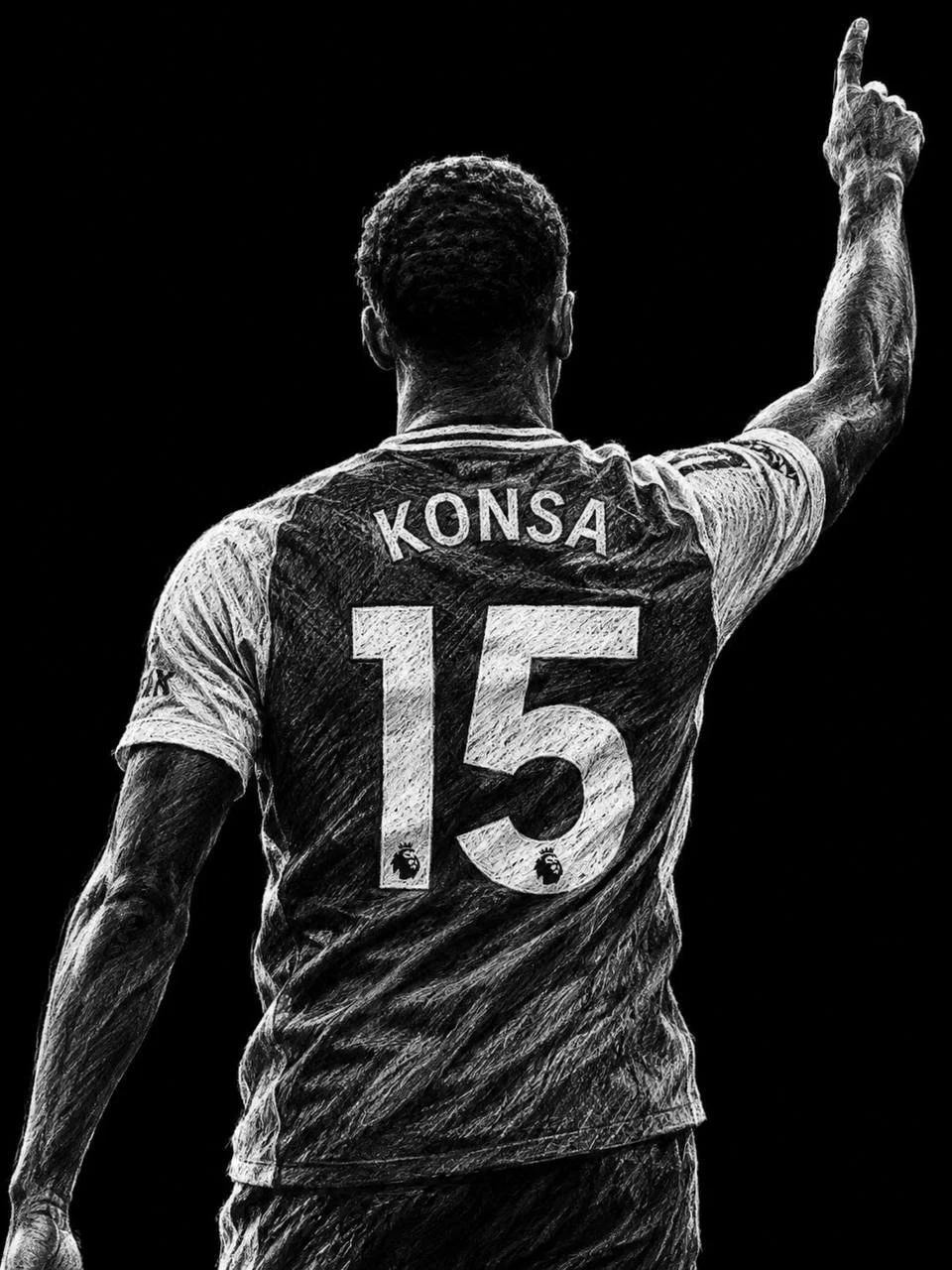
Most footballers enjoy getting brand-new, shiny boots, but in the case of Konsa, there is a peculiar ritual. He believes that a pair of boots has its own "character," and he won't wear them in an important match until he has fully "settled into" them and made them his own.
For several weeks during training sessions, he would take brand-new pairs of cleats and secretly attach the worn-out soles from his old ones—ensuring his feet remained comfortable while the boots still looked perfectly fine on the outside. This small detail speaks volumes: for him, there is no such thing as a "minor" detail, because he knows that at the very pinnacle, it is the details that determine everything.
Arsenal's Call: Returning Home
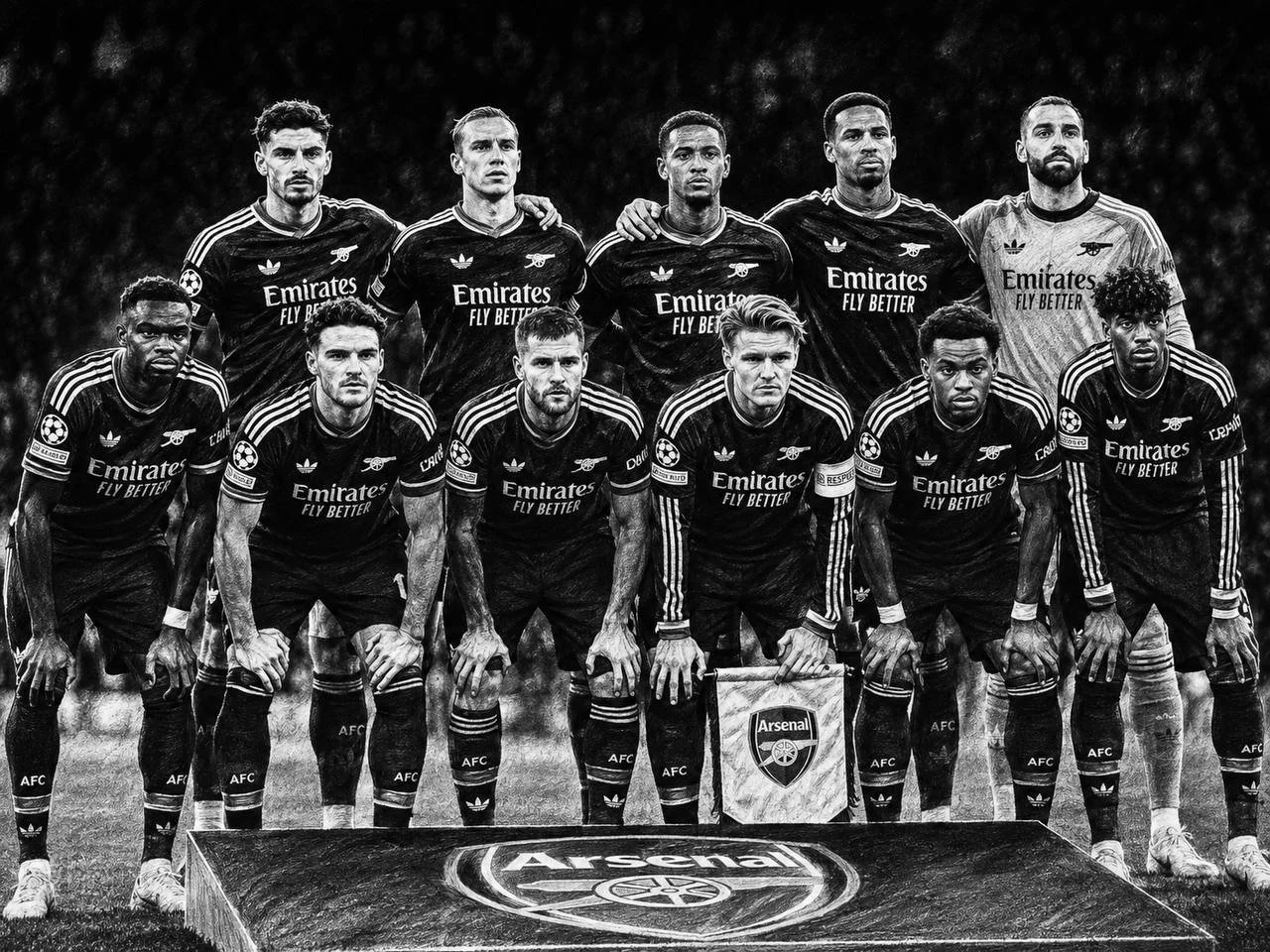
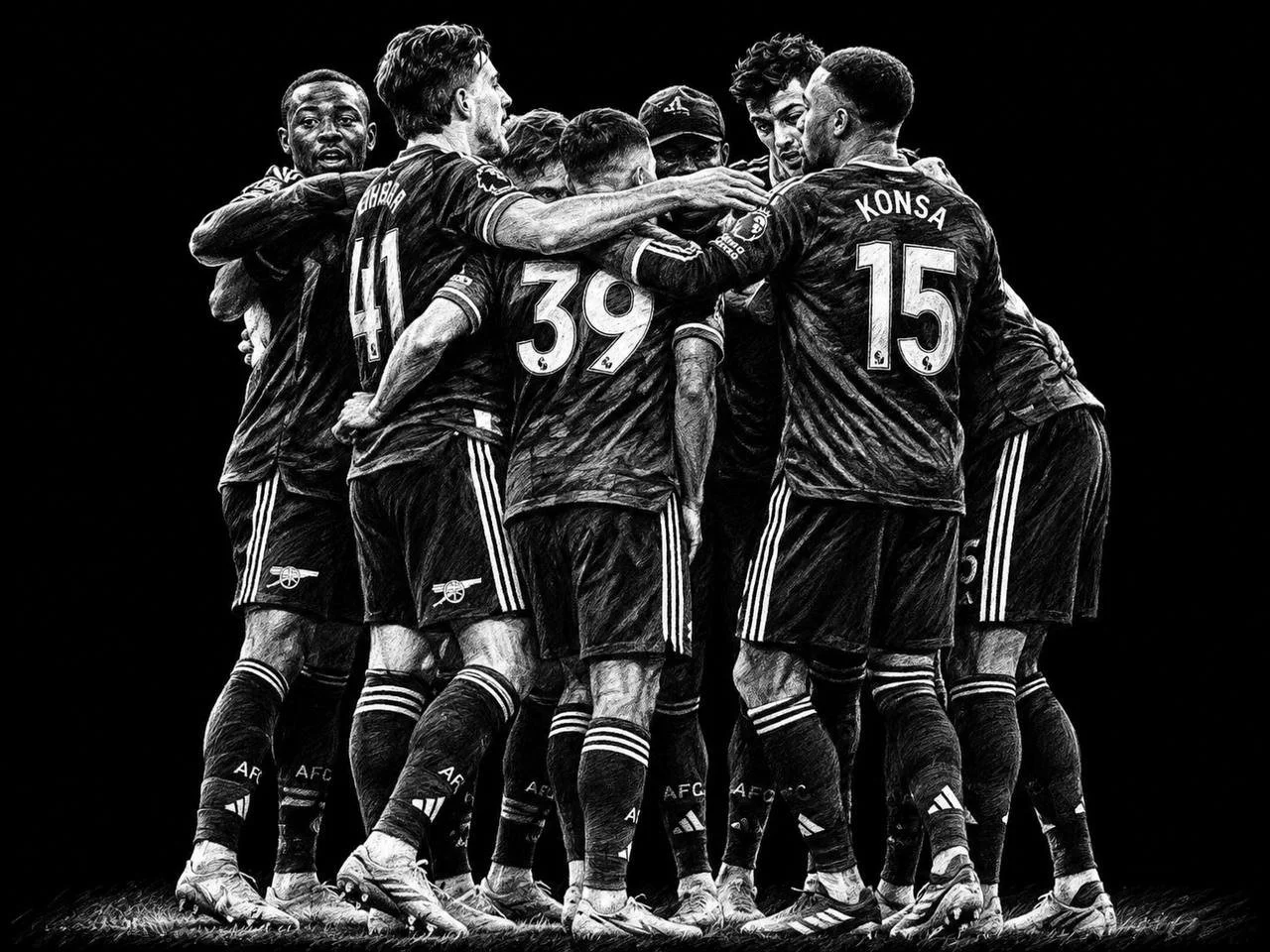
Following his fairytale years in Birmingham and the heights reached with Aston Villa, a new and deeply emotional chapter has begun in Ezri Konsa’s career: a transfer to London’s Arsenal. A childhood dream—nurtured in his heart for years, the kind a boy growing up in the London suburbs might have envisioned while gazing out a window—became reality. When the video of his unveiling at Emirates Stadium was released, the fans sensed immediately that this was no ordinary, high-priced transfer; it was a homecoming. Mikel Arteta was well aware of what a defender like Konsa brought to the team: absolute composure under pressure, tactical discipline, and the kind of character that is absolutely essential for winning league title. Upon joining his new club, Ezri did not look out of place; he quickly demonstrated that facing the Premier League’s best forwards was already a routine matter for him.
Stepping onto the pitch in an Arsenal shirt, Konsa seemed to be fulfilling the promise of a little boy from long ago—a boy who, in a chilly London room, had vowed to himself that one day he would defend the very colours he had supported since childhood.
Taking his first steps at the Emirates Stadium was a special moment for Ezri. Although the team already featured a number of stars, Ezri—with his characteristic composure and unyielding nature—soon secured a place in the starting lineup.
In one interview, Mikel Arteta described him as "a defender who reads the game before the ball even comes his way." Ezri approaches tactical training sessions with the same dedication he showed years ago on the abandoned pitches at Charlton—as if, every single time, he has to prove himself all over again.
Invisible Rotation and Arteta’s Toughest Choice
When Ezri Konsa joined Arsenal as a new signing in the summer—even before the season had begun—the club suffered a major blow: defensive mainstay William Saliba sustained a serious injury during the pre-season. As the campaign kicked off, a sense of unease could be felt at the Emirates, with the team embarking on its challenge for titles while missing one of the key figures from its primary defensive pairing.
Konsa stepped onto the pitch with such complete and absolute composure that fans and experts alike soon noticed: Saliba’s absence was practically unnoticeable. Through his positional play, ironclad discipline, and a performance entirely free of errors, Konsa demonstrated such reliability that the defensive line remained an unshakable wall. He not only filled the void but also proved that he is capable of maintaining the highest standards at any given moment within a world-class team.
Now that William Saliba has fully recovered and returned to training, Mikel Arteta faces one of the most difficult and unique tactical dilemmas of his career. How can you bench a guard who, during a difficult start to the season, carried the team in an impeccable and phenomenal manner? And on the other hand—how can you leave out a French star whose class is recognized on a global scale?
For the Spanish manager, this is more than just a headache—it is a welcome yet incredibly difficult dilemma, where every decision shapes the fate of the team’s season. Through his character and his performance, Konsa has proven to Arteta that competition within Arsenal’s defense has reached a new, fantastic level—one where there is simply no such thing as a weak link.

From Silvertown Against the World: A Story Still Being Written
From the grey streets of East London and the dusty pitches of Senrab to the magnificent stadium of Arsenal—Ezri Konsa’s journey was never easy, nor was it marked by a fortunate beginning. It is a chronicle of daily struggle, quiet hard work, and an iron-willed character that never breaks—no matter how strong the headwinds blowing against it.
Today, as he wears the red-and-white jersey of Arsenal and serves as the backbone of the England national team’s defense, that young boy—who once gazed out from the window of a small room in London toward distant dreams—is exactly where he was always meant to be.
Konsa has proven a fundamental truth: in football, flashy billing and sensational headlines are fleeting—but clean interceptions, well-won positions, and unshakable composure are eternal. And while Mikel Arteta racks his brain over how to distribute playing time between Saliba and the "wall"—who navigated the summer crisis so seamlessly that not a single lost ball went noticed—Ezri simply keeps his head down, laces up his boots, jots down new notes in his tactical playbook, and prepares for the next match.
To prove, once again, that silence is the loudest answer.
Written by Nini Giorgadze (07.11.2026)