
Edin Džeko
Position: Striker
Age: 40
Country: Bosnia and Herzegovina
League: Bundesliga
Club: FC Shalke 04
Major Honours: 2 X Premier League (Manchester City) , 1 X FA Cup (Manchester City) X League Cup (Manchester City), 1 X Bundesliga (VfL Wolfsburg), 2 X Coppa Italia (Inter Milan)
Club History: Željezničar, Teplice, Ústí nad Labem (loan), VfL Wolfsburg, Manchester City, AS Roma, Inter Milan, Fenerbahçe, Fiorentina, FC Schalke 04
You have to remember that I was born in Sarajevo in the ’80s. During the war, there were times when I had to stop playing football games in the streets because sirens went off, and we’d have to hide.
“We are not dead yet”
After twelve years, Edin Džeko returns to the grand stage of world football. The "Bosnian Dragons" are heading into the World Cup with a squad that shocked the world, having ousted Italy on a gruelling path to qualification.
From the Ashes to Reconstruction
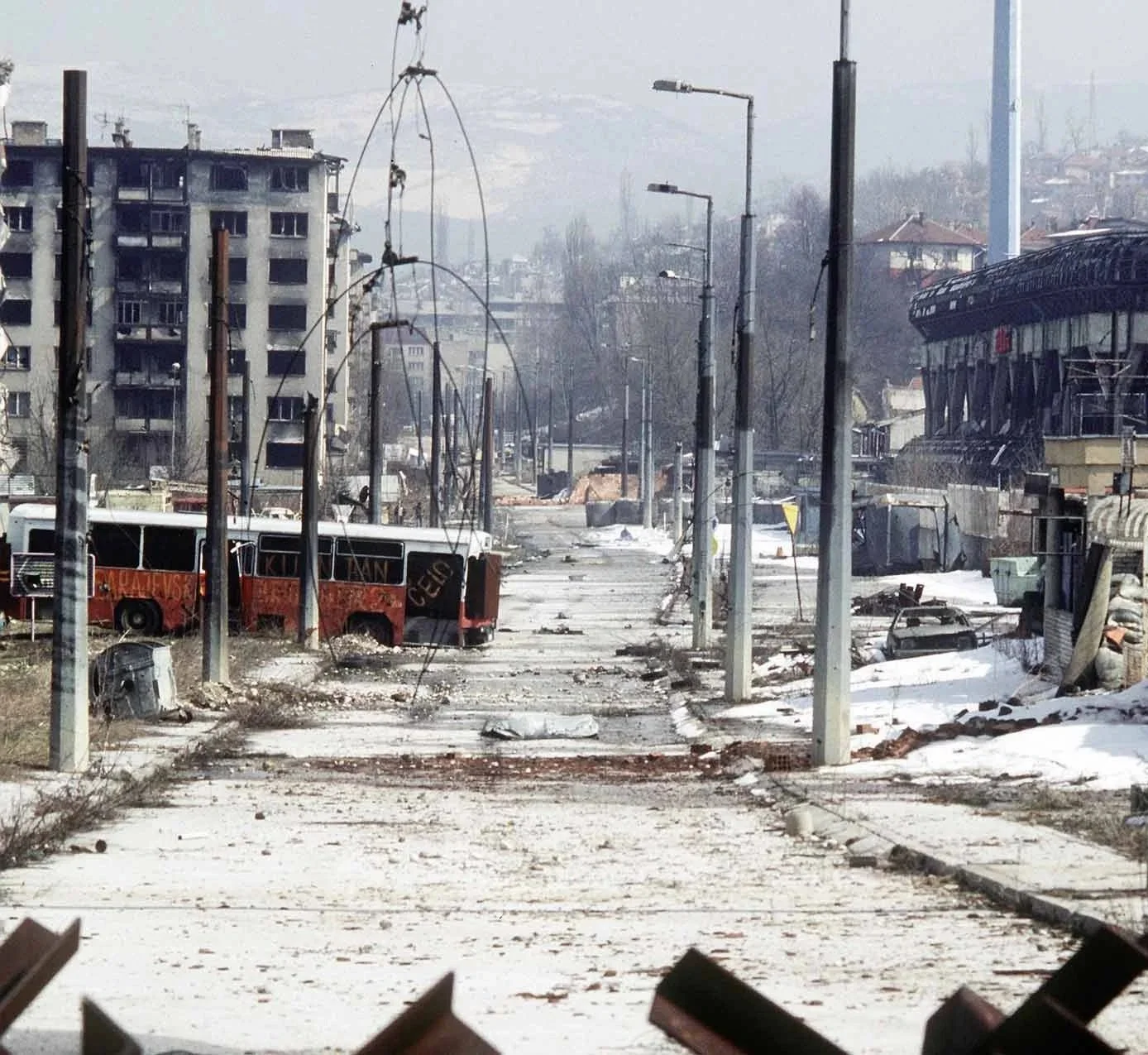
The story of Edin Džeko is not just that of a footballer; it is the saga of the young nation of Bosnia and Herzegovina. It is the tale of a boy who rose from the rubble of Sarajevo to the summit of the game, a man who united a fragmented people under a single flag. It is the story of a child whose only solace in the darkest days of war was the rhythmic pulse of a football against the debris.
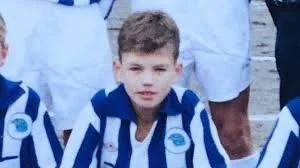
Born into the shadow of Slobodan Milošević’s destructive policies, Džeko’s childhood was defined by the Siege of Sarajevo. Amidst the carnage, football was his escape—a thin, hopeful line between him and a brutal reality. When the Dayton Agreement finally brought peace to the region, Sarajevo began to rebuild, and the "Bosnian Diamond" began his ascent.
“ I didn’t have a childhood because of the war, but all that made me stronger”
“When the war finally stopped four years later, everything was destroyed. There was no city left. I remember my father taking me to my first training at Željezničar, and we had to take two different buses and a tram. It was more than an hour to get there, and we were training at a high school because the club stadium had been destroyed.”
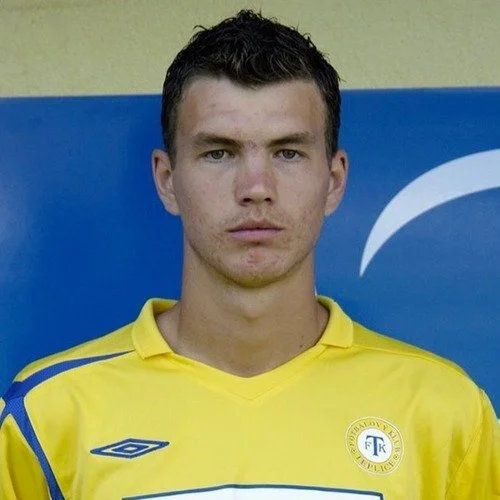
At FK Teplice Džeko played 43 games scoring 16 goals
From the Czech Fields to the Bundesliga Storm
Džeko’s early days were unpolished. Initially deployed as a midfielder, his height and unorthodox movement eventually steered him toward the striker’s role. After a difficult two-year stint at Željezničar, he headed to the Czech Republic. It was there that Felix Magath, the astute Wolfsburg manager, saw the raw potential. Džeko, paired with Grafite, ignited a firestorm in the Bundesliga, delivering an improbable, historic title to the "Wolves"—dethroning Bayern Munich in the process.
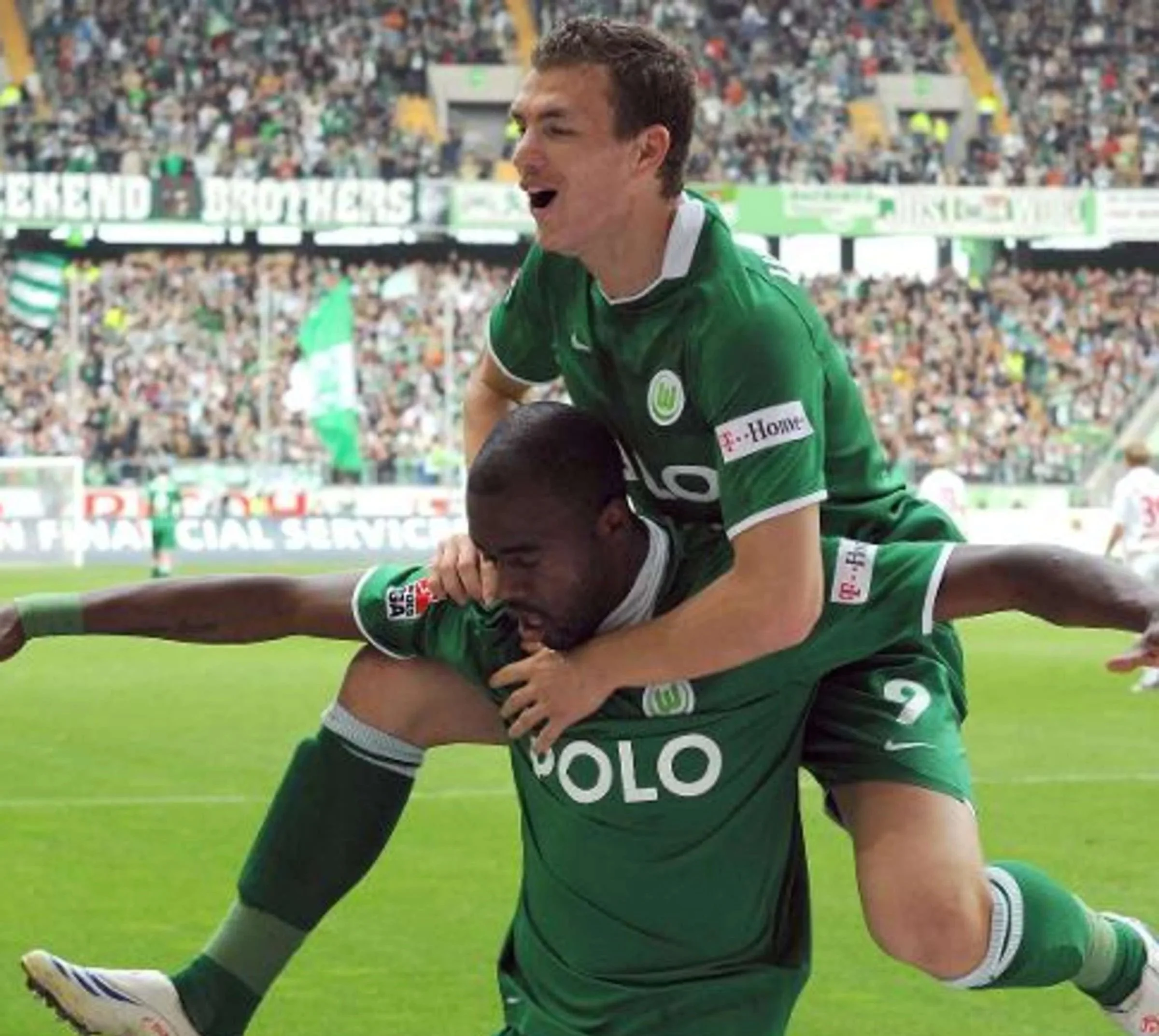
Džeko and Grafite as a pair made a combined 71 G/A in 54 appearances
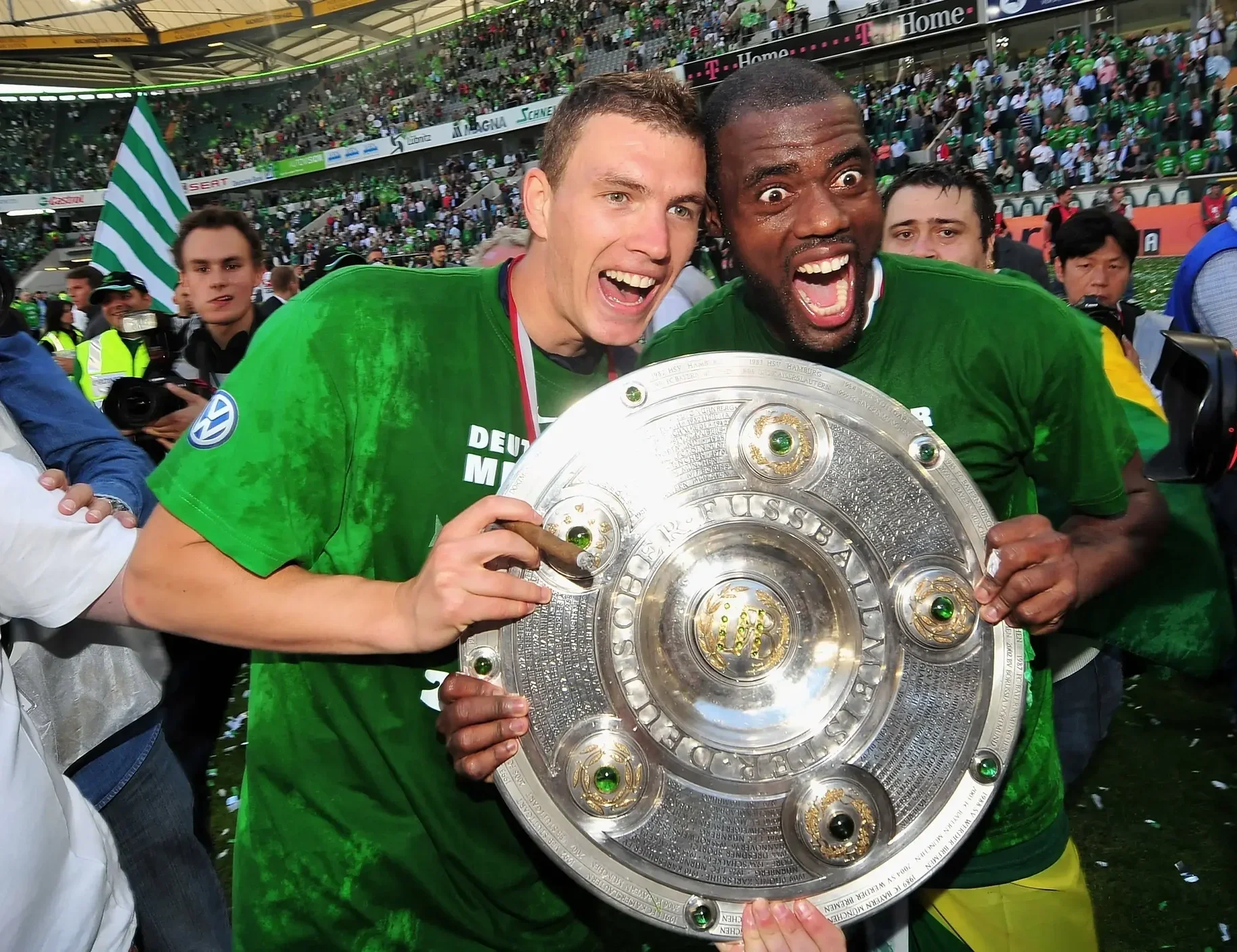
Džeko made 142 appearances for Wolfsburg scoring 85 goals
Manchester: The Miracle of the 94th Minute
His move to Manchester City signaled his arrival on the world stage. Džeko was a man for the big occasion—a "second-season specialist" who etched his name into folklore. From scoring four against Tottenham to that unforgettable, pulse-pounding final day against QPR, he and Sergio Agüero defined an era. Whether it was the goal at the Etihad or a clinical strike at Old Trafford, Džeko was the heartbeat of City’s resurgence.
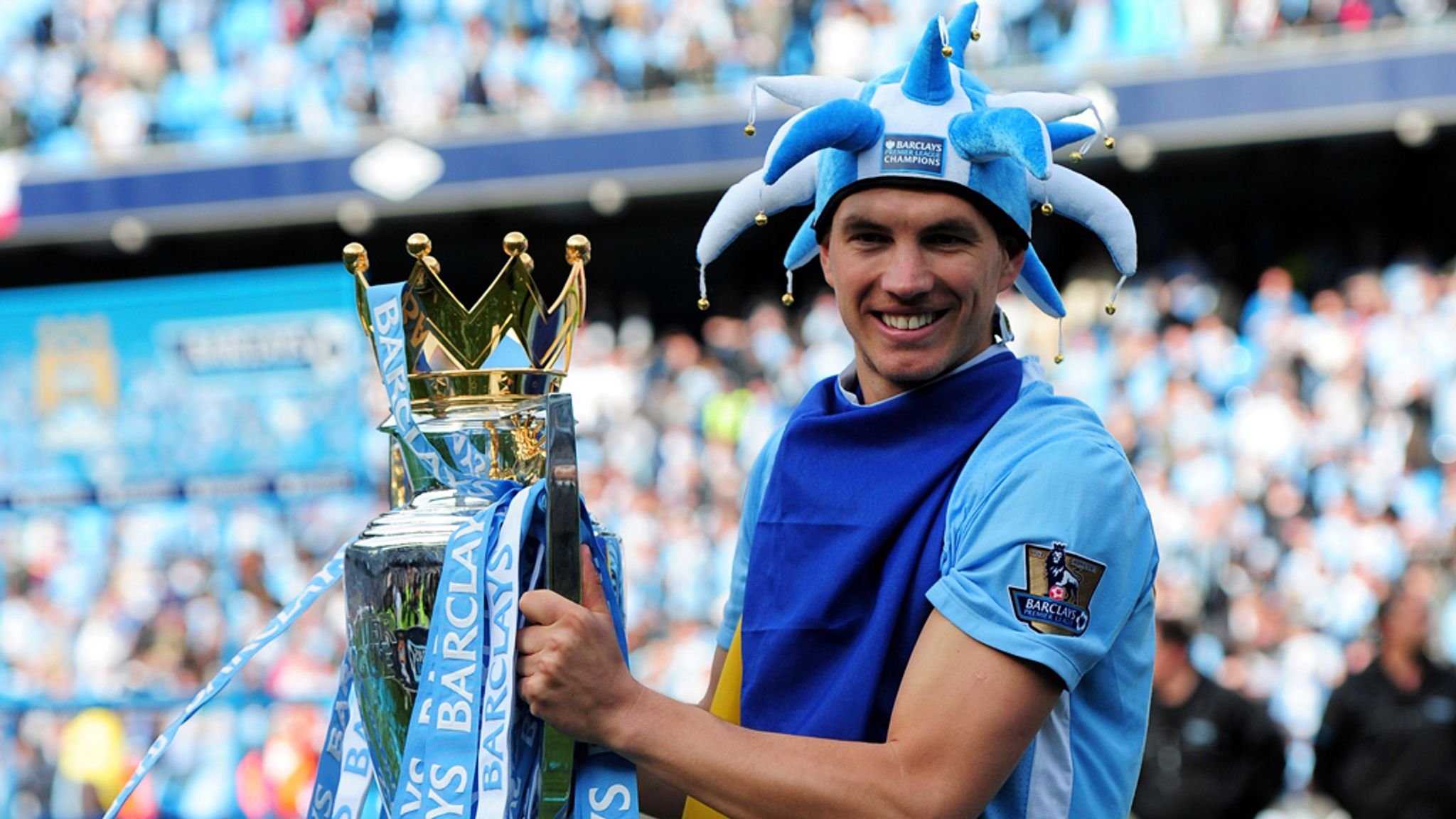
“I thought we were dead. It was like nobody could handle the pressure. We were all thinking that we’d blown it. After a great season, we were going to lose everything in one game. Eventually, Mancini puts me on, and we keep trying our hardest, but nothing happens. Football is like this sometimes.”
“David Silva took it. I scored that goal — header straight down the middle at 91:20. You can see me scream, “Come on, come on!” to everyone as I’m running back to the centre circle. Still two, three minutes to play. Maybe we’re not dead yet?”
Džeko made 189 appearances for Man City scoring 72 goals
When he arrived at the Stadio Olimpico, Roma found a new icon. In the 2016/17 season, Džeko didn't just win the Capocannoniere; he scored 33 goals across all competitions, surpassing club legends like Francesco Totti and Rodolfo Volk. He led Roma to a historic Champions League semi-final—the night they famously dismantled Barcelona—solidifying his status as the only player to score over 50 goals for a single club in three of Europe’s top five leagues.
Rome: A Home for the Gladiator
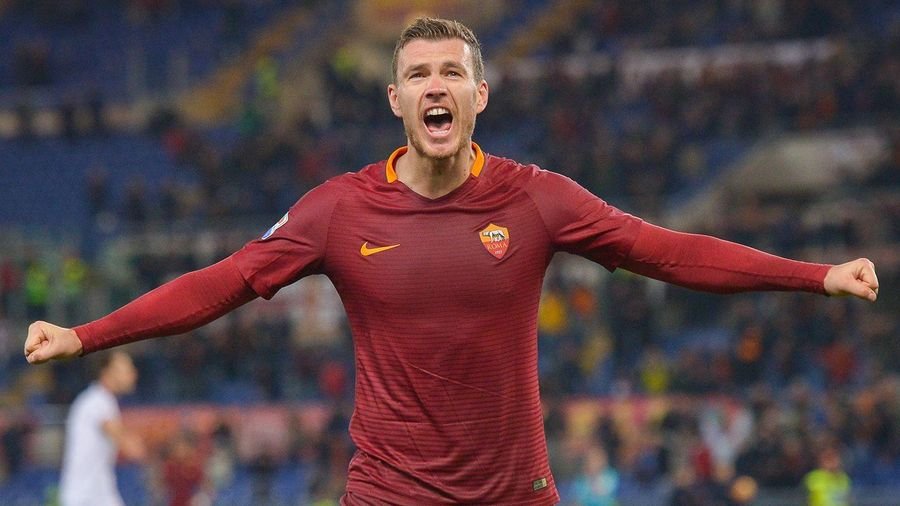
Džeko played 260 times for AS Roma scoring 119 goals
Džeko’s twilight years have been a testament to his versatility. From winning two Coppa Italia titles with Inter to his tenure with Fenerbahçe under José Mourinho, and a stint with Fiorentina, he remained an indomitable force. Now, as he joins the newly promoted Schalke, he is ready to write one final chapter in the Bundesliga—the league where it all began.
“it’s funny, I’ve played football in many countries now, but it’s only in Rome that I have felt like I am at home. Bosnia and Sarajevo will always be No. 1 in my heart, but Rome is a good second. Home for me is a place I feel good, where I’m just thinking about football, where there are no other problems.”
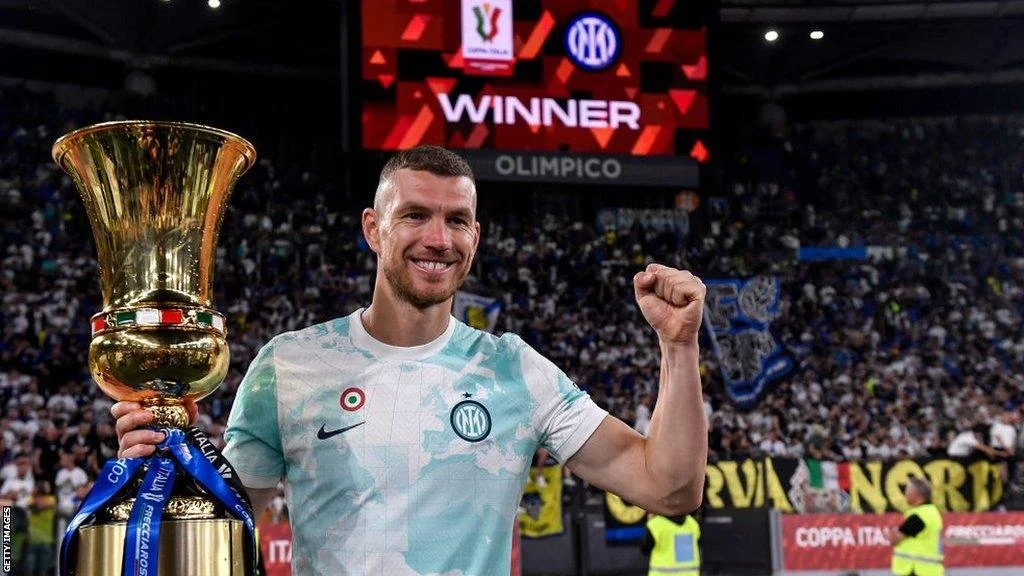
Džeko played 102 times for Inter scoring 31 goals
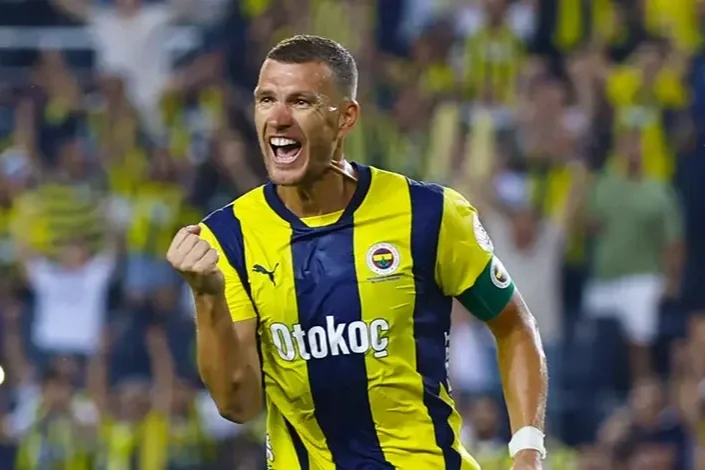
Džeko played 99 times for Fenerbahçe scoring 46 goals
Now, under the guidance of Sergej Barbarez, this Bosnian team is unified, cohesive, and hungry. Drawn into Group B alongside Switzerland, Qatar, and Canada, they aren't here to make up the numbers; they are here to hunt. As the world turns its eyes to 2026, the question remains: Can the "Diamond" conjure one final, dazzling performance on the greatest stage of all? The answer rests in the hands—and boots—of the captain who never gave up.
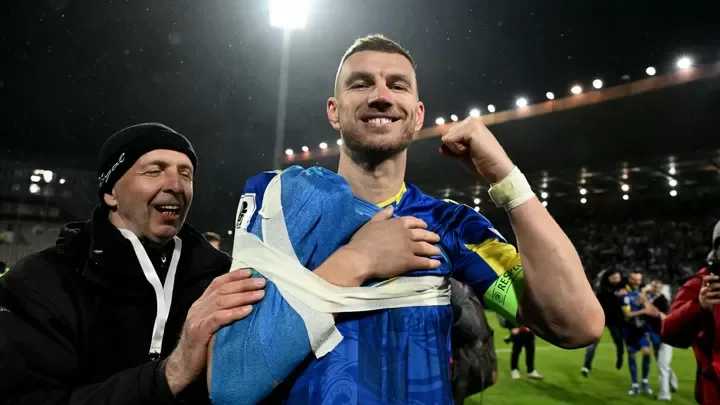
Džeko’s international journey began in June 2007 with a breathtaking volley against Turkey. He has since become the soul of Bosnian football, the man who secured their first-ever World Cup victory against Iran in 2014.
The Dragons Return
“after the war, we were a generation of kids with simple dreams. We just wanted to play football in peace. Now, I have my football, and I’ve found my peace. That’s my life. I want to play and watch all the games I can, seriously. Sometimes my wife will catch me in our living room watching Serie A or the Premier League or something on the television, and she’ll ask, “Is it enough football?”
“I just smile. She should know the answer by now. No, of course, it is never enough”
Written by Daniel Dar